

Navigating Global Freight Rate Volatility: How Current Shipping Conditions Impact UAE & Middle East Trade
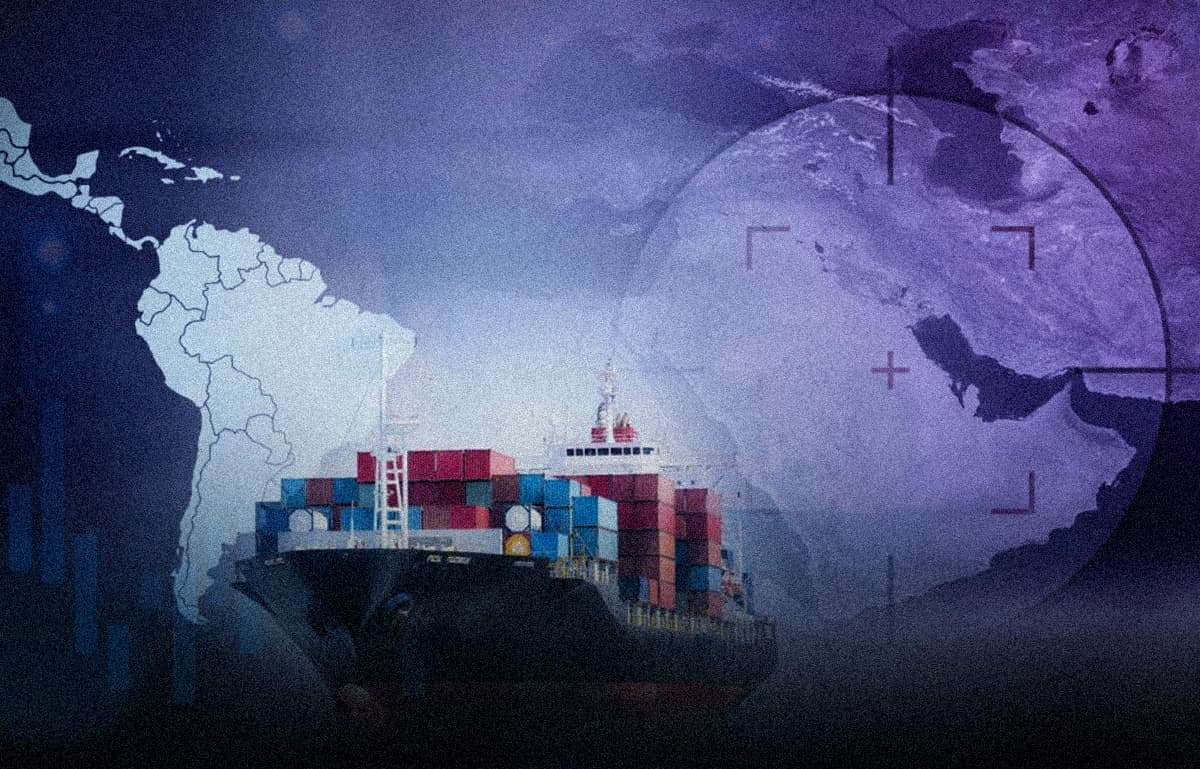
Managing international trade into the UAE and wider GCC requires navigating a volatile ocean freight environment. For businesses importing manufactured goods, consumer products, industrial equipment and raw materials, freight quotes obtained just weeks apart can show sharp variations.
Understanding why ocean freight charges fluctuate, and separating underlying base rates from variable operational surcharges, is essential for protecting profit margins and avoiding budget surprises.
For verified trade advisories, sailing schedules and tariff guidelines, visit the Caerus Shipping Information portal.
This guide examines the core drivers behind freight rate fluctuations, details key cost components and outlines practical strategies for importers and exporters.
Why Do Ocean Freight Charges Vary in the Current Situation?
Freight rate volatility is rarely caused by a single issue. Container pricing is shaped by multiple interacting global and regional variables.
1. Global Liner Rerouting and Indirect Capacity Absorption
When container vessels alter traditional sailing paths, such as bypassing high-risk transit corridors and navigating longer routes around southern Africa, the global fleet spends more days at sea per voyage. Even regional trade lanes that do not traverse those waters can be affected as global vessel capacity is absorbed. Shipping lines may reassign vessels to long-haul loops, tightening availability across Middle East, India and East Asia trade corridors and pushing spot rates upward.
2. Marine Fuel and Emergency Bunker Fluctuations
Bunker fuel is one of the largest operating expenses for container carriers. As crude oil benchmarks and low-sulfur marine fuel prices shift, shipping lines adjust the Bunker Adjustment Factor (BAF) and Emergency Bunker Surcharge (EBS). These adjustments can change container quotations from one month to the next, independently of cargo volume.
3. Equipment Surpluses and Container Repositioning Costs
Global trade patterns are inherently uneven. Export-heavy manufacturing centers send high volumes of loaded containers into destination hubs such as Jebel Ali and Khalifa Port. When return export volumes are lower, empty containers can accumulate at regional terminals. Carriers incur costs repositioning empty 20-foot and 40-foot containers back to high-demand manufacturing zones, which may be passed to shippers through Equipment Imbalance Surcharges (EIS).
4. Emergency Risk Surcharges and Maritime Bottlenecks
Regional geopolitical events can lead to sudden insurance adjustments. Marine insurers revise risk assessments, prompting carriers to introduce war risk surcharges, contingent rerouting fees or seasonal congestion fees when gateway ports experience yard-density issues.
5. Cyclical Peak Seasons and Space Competition
Freight pricing follows seasonal cycles:
- Pre-holiday rushes (Q3 to early Q4): Importers build inventory for regional shopping festivals, commercial campaigns and trade expos, creating intense competition for space.
- Pre-Lunar New Year peak (January–February): Asian production hubs work through backlogs before factory closures, generating temporary rate increases.
- Post-holiday slumps: Slower order volumes can lead to short-term softening of spot rates.
Key Surcharges Behind Your Freight Invoice
Understanding a freight quote requires looking beyond the base ocean freight rate. Common components include:
| Fee / surcharge code | Description | Why it varies |
|---|---|---|
| Base Ocean Freight (BAS) | Core cost to move a container between ports | Vessel supply, lane demand and booking urgency |
| Bunker Adjustment Factor (BAF) | Fuel cost adjustment surcharge | Global marine fuel and crude oil market prices |
| Peak Season Surcharge (PSS) | Demand premium during heavy shipping windows | Carrier booking capacity and seasonal demand |
| Terminal Handling Charges (THC/DTHC) | Origin and destination crane and yard handling | Terminal operators and local port authorities |
| War Risk / Contingency Surcharges | Risk mitigation and insurance fees | Geopolitical tensions along key shipping straits |
| Demurrage and Detention (D&D) | Equipment usage beyond allotted free days | Customs clearance speed and container return times |
Detailed breakdowns of local charges, verified gross mass (VGM) submission protocols and terminal handling rates can be referenced under Caerus Shipping Information.
How Rate Volatility Impacts FCL vs. LCL Shipments
Freight market volatility affects container shipping modes differently.
Full Container Load (FCL)
FCL rates are tied directly to the spot container market. FCL offers dedicated space and can provide transit and pricing benefits depending on the service, but it is directly exposed to carrier spot-rate fluctuations and surcharge increases. High-volume shippers may manage this by combining long-term contract rates with floating spot allocations.
Less than Container Load (LCL)
LCL freight rates are priced per cubic meter (CBM) or metric ton, based on weight or measurement. LCL lets smaller shippers avoid absorbing the cost of an entire container, but consolidation and deconsolidation fees at Container Freight Stations (CFS) can increase when port congestion lengthens terminal dwell times.
Regional Impact: Middle East and Jebel Ali Logistics
As a primary logistics hub for the UAE and wider GCC, Jebel Ali Port serves as a central clearing and transshipment gateway for regional trade.
When international shipping lanes experience schedule delays or blank sailings (canceled voyages), feeder networks and onward distribution into Abu Dhabi, Sharjah, Oman and Saudi Arabia can be affected. Importers must synchronize vessel discharge schedules with customs declarations, including through digital portals such as Dubai Customs' Mirsal 2, and domestic trucking to help prevent demurrage penalties inside the port.
5 Strategic Ways Importers Can Manage Volatile Freight Charges
Businesses can take clear, proactive steps to stabilize logistics expenditure.
1. Calculate the Complete Landed Logistics Cost
Do not evaluate a shipping route based on base ocean freight alone. Calculate all relevant costs:
Base Ocean Freight + Origin Charges + Destination THC + Surcharges + Customs Duties (5% CIF) + VAT (5%) + Inland Transport
2. Book Space 2 to 3 Weeks in Advance
Securing container allocations early can prevent expensive last-minute spot-market bookings and reduce the risk of rolled cargo during peak seasons.
3. Standardize and Consolidate Packaging
Eliminating dead space inside master cartons maximizes container capacity. Shippers moving multiple smaller shipments from regional suppliers can lower overall costs by consolidating cargo into a single 40HQ container instead of paying separate LCL handling fees.
4. Prepare Digital Customs Paperwork Early
Discrepancies in commercial invoices, packing lists or Certificates of Origin (COO) can lead to customs inspection holds and port storage charges. Verify product HS codes and compliance certifications well before the vessel docks.
5. Partner with a Dedicated Regional Carrier
An experienced regional shipping line can provide transparent billing structures, dependable equipment allocation and consistent customer support.
Why Businesses Partner with Caerus Shipping
Caerus Shipping delivers container shipping, ocean freight and regional maritime logistics for today's market conditions. Whether moving commercial goods, heavy equipment or project cargo, Caerus supports shippers with:
- Dry Cargo Solutions: 20-foot and 40-foot container services across regional trade routes.
- Refrigerated Cargo (Reefer): Temperature-controlled containers for sensitive perishables and pharmaceuticals.
- Dangerous Goods Handling: Regulatory compliance for classified and specialized chemical cargo.
- Shipper Owned Containers (SOC): Operational flexibility for specific customer equipment needs.
- Vessel Chartering: Maritime charter options for high-volume commercial and industrial projects.
For regulatory policies, bill of lading terms and operational guidelines, explore Caerus Shipping Information.
Frequently Asked Questions
Why do container freight charges fluctuate every month?
Ocean freight rates adjust due to changing fuel surcharges (BAF), vessel capacity, empty-equipment imbalances between manufacturing and destination hubs, and seasonal demand.
What is the difference between base ocean freight and all-in freight?
Base ocean freight covers port-to-port carriage. All-in freight includes the base carriage along with applicable surcharges such as terminal handling charges (THC), bunker adjustments and security fees.
How can I avoid port storage and demurrage charges in the UAE?
Verify import documents, including the Commercial Invoice, Packing List, Certificate of Origin and Bill of Lading, and submit them to customs before vessel arrival to support timely clearance after discharge.
When is FCL more cost-effective than LCL?
FCL may be more economical when cargo volume reaches approximately 13 to 15 cubic meters (CBM) or more, as the flat container rate can offset cumulative LCL volume and CFS deconsolidation fees. Compare the total shipment-specific costs.
Where can I find verified shipping advisories and booking procedures for Caerus Shipping?
Shippers can review booking procedures, local charges, compliance guidelines and service updates on the official Caerus Shipping Information page.
Conclusion
Ocean freight rate volatility is a defining reality of modern global commerce. Importers and exporters who track market drivers, understand carrier surcharges and adopt proactive booking schedules are better positioned to protect operating margins and maintain resilient supply chains.
Caerus Shipping provides container transportation and freight forwarding solutions across regional routes.
To review current trade notices and service guidelines, visit Caerus Shipping Information. Contact Caerus Shipping to discuss your route requirements and request a shipping quotation.